









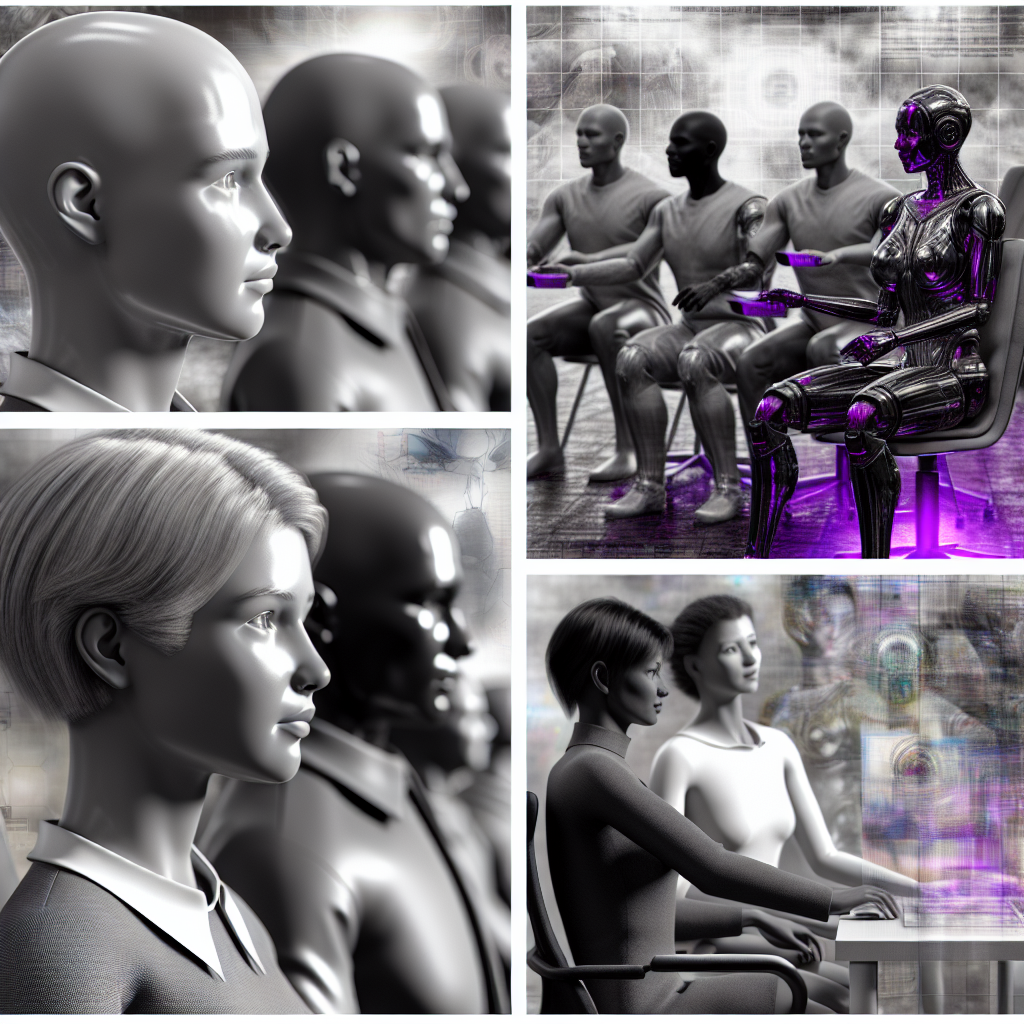
Introduction
In recent years, the field of artificial intelligence (AI) has made significant strides, particularly in the area of natural language processing (NLP) and reinforcement learning (RL). One of the most innovative approaches to improving AI models, especially large language models (LLMs), is Reinforcement Learning from Human Feedback (RLHF).
While traditional supervised learning relies on labeled datasets to train models, RLHF introduces human input into the training process. This method aims to bridge the gap between human expectations and machine outputs, addressing challenges such as misalignment of goals and poor performance on nuanced tasks.
This article will delve into the intricacies of RLHF, providing a comprehensive framework that includes technical explanations, practical solutions, comparative analyses, and real-world applications.
The Challenge of Training AI Models
Misalignment of Goals
One of the primary challenges in AI training is the misalignment between model behavior and human values. For instance, a model trained purely on existing text data may learn biases or generate inappropriate content. This misalignment can lead to:
- Inaccurate or offensive outputs
- Lack of contextual understanding
- Failure to adhere to user intentions
The Role of Human Feedback
Human feedback serves as a corrective mechanism. By incorporating feedback from human evaluators, models can be fine-tuned to better align with user expectations. However, collecting and utilizing this feedback effectively poses its own set of challenges.
Technical Explanation of RLHF
Step 1: Understanding the Components
At its core, RLHF involves several key components:
- Environment: The context in which the model operates (e.g., a conversation with a user).
- Agent: The AI model making decisions based on the environment.
- Policy: The strategy employed by the agent to determine actions.
- Reward Signal: Feedback indicating how well the agent’s actions align with desired outcomes.
Step 2: The RLHF Process
The RLHF process can be broken down into the following steps:
- Collect Data: Gather data from user interactions, which may include both successful and unsuccessful outputs.
- Human Evaluation: Involve human evaluators to rank or score model outputs based on their quality.
- Train a Reward Model: Use the human feedback to train a reward model that predicts the quality of outputs.
- Reinforcement Learning: Utilize the reward model to fine-tune the original model through reinforcement learning techniques.
Step 3: Implementing RLHF
Here’s a simplified implementation of the RLHF process using Python:
python
import numpy as np
from sklearn.linear_model import LogisticRegression
X = np.array([[1, 0], [0, 1], [1, 1], [0, 0]]) # Features of outputs
y = np.array([1, 0, 1, 0]) # Human feedback (1: good, 0: bad)
reward_model = LogisticRegression()
reward_model.fit(X, y)
new_outputs = np.array([[1, 0], [0, 0], [1, 1]])
predicted_rewards = reward_model.predict(new_outputs)
print(predicted_rewards)
In this example, the LogisticRegression model serves as our reward model, trained on simulated human feedback data.
Comparisons Between Different Approaches
Approaches to Reinforcement Learning
| Approach | Description | Pros | Cons |
|---|---|---|---|
| Model-Free RL | Learns directly from interaction with the environment | Simplicity, flexibility | Sample inefficiency |
| Model-Based RL | Builds a model of the environment for planning | Sample efficiency | Complexity of model training |
| RLHF | Incorporates human feedback into the RL process | Better alignment with human values | Requires human involvement |
Frameworks and Libraries
| Framework | Language | Features |
|---|---|---|
| OpenAI Baselines | Python | High-quality implementations of RL algorithms |
| Ray RLlib | Python | Distributed RL library for scalable training |
| Stable Baselines | Python | Easy-to-use implementations of RL algorithms |
Visualizing the RLHF Process
mermaid
graph TD;
A[Collect Data] –> B[Human Evaluation]
B –> C[Train Reward Model]
C –> D[Reinforcement Learning]
D –> E[Updated Policy]
E –> F[Model Output]
Case Study: Chatbot Improvement through RLHF
Scenario
Consider a chatbot that provides customer support for an online retail store. Initially, the chatbot is trained using standard supervised learning methods, resulting in satisfactory but often generic responses.
Application of RLHF
- Data Collection: Customer interactions are logged, including both successful and unsuccessful chat sessions.
- Human Feedback: A team of human evaluators reviews the interactions and scores the chatbot’s responses based on helpfulness and relevance.
- Training the Reward Model: The feedback is used to train a reward model that predicts the quality of responses.
- Reinforcement Learning: The chatbot is fine-tuned using reinforcement learning, optimizing for higher predicted quality scores based on human evaluations.
Results
After implementing RLHF, the chatbot demonstrated:
- Increased Customer Satisfaction: Positive feedback ratings rose by 30%.
- Reduction in Escalations: Fewer customers required escalation to human representatives.
- Improved Contextual Understanding: The bot became better at maintaining context over longer conversations.
Conclusion
Reinforcement Learning from Human Feedback (RLHF) represents a significant advancement in creating AI models that align closely with human values and expectations. By systematically incorporating human insights into the training process, RLHF addresses key challenges in AI model alignment, ultimately leading to more effective and reliable systems.
Key Takeaways
- Importance of Human Feedback: RLHF effectively bridges the gap between model outputs and human expectations, enhancing model performance.
- Iterative Process: The RLHF process is iterative, allowing for continuous improvement based on ongoing human evaluations.
- Flexibility and Scalability: RLHF can be tailored to various applications, from chatbots to recommendation systems, providing flexibility across domains.
Best Practices
- Regularly involve human evaluators to ensure diverse feedback.
- Maintain a balance between automated and human-based evaluations to optimize training efficiency.
- Continuously monitor model performance and adjust the training process accordingly.
Useful Resources
-
Libraries:
-
Frameworks:
-
Research Papers:
- Stiennon, Nisan et al. “Learning to summarize with human feedback.” Advances in Neural Information Processing Systems 33 (2020): 3008-3021.
- Christiano, Paul et al. “Deep reinforcement learning from human preferences.” Advances in Neural Information Processing Systems 30 (2017).
By implementing RLHF, we can harness the potential of AI to create systems that are not only intelligent but also aligned with human expectations and values, ultimately leading to better outcomes across various applications.