








Artificial Intelligence (AI) and emerging technologies continue to reshape our world, influencing industries from healthcare to education and even art. As innovation accelerates, understanding the latest developments becomes crucial for tech-savvy readers and business professionals alike. In this article, we will explore trending topics in AI, including innovative tools, breakthroughs in machine learning, ethical considerations, and applications across various sectors.
The Rise of Generative AI Tools
Transforming Creativity with AI Art and Video Generation
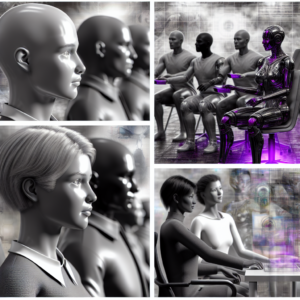
Generative AI has revolutionized creative industries by enabling the creation of art, music, and video through algorithms. Tools like DALL-E 2 and Midjourney have gained immense popularity for their ability to generate high-quality images from textual descriptions. These platforms use advanced neural networks, contributing to a new era of digital artistry.
Comparison of AI Art Generators
| Tool | Type | Key Features | Pricing |
|---|---|---|---|
| DALL-E 2 | Image Generation | Text-to-image synthesis, inpainting | Free for limited use, subscription for higher limits |
| Midjourney | Image Generation | High-quality images, community-driven prompts | Subscription model, starting at $10/month |
| Runway | Video Generation | Text-to-video, real-time collaboration | Tiered pricing, starting at $15/month |
| DeepArt | Art Style Transfer | Turn photos into artwork in various styles | Free with watermark, paid options for high-res |
For a detailed exploration of DALL-E 2, visit OpenAI’s official page.
The Impact on Marketing and Design
Generative AI is not limited to the creation of art but extends to marketing and design. Businesses are leveraging these tools for creating personalized content, ad campaigns, and even product designs. For instance, Canva has integrated AI features to assist users in generating designs based on text input, making design accessible to non-experts.
Breakthroughs in Machine Learning and Deep Learning
Advancements in Natural Language Processing (NLP)
Natural Language Processing continues to see groundbreaking advancements, particularly with models like GPT-4 by OpenAI. This model has improved contextual understanding and can generate human-like text, which is being utilized in various applications, from customer support chatbots to content generation.
Applications of NLP in Business
- Customer Support: AI chatbots powered by NLP can handle inquiries 24/7, reducing operational costs.
- Content Creation: Businesses use AI to draft articles, social media posts, and marketing copy, enhancing productivity.
- Sentiment Analysis: Companies analyze customer feedback and social media mentions to gauge brand perception.
For more information on GPT-4, see OpenAI’s GPT-4 overview.
AI in Healthcare: Transforming Patient Care
Healthcare is one of the sectors benefiting immensely from AI technologies. From diagnostics to personalized medicine, AI is enhancing patient care and operational efficiency.
AI-Powered Diagnostics
Tools like IBM Watson Health utilize machine learning algorithms to analyze medical data and assist healthcare professionals in diagnosing diseases more accurately. This can lead to earlier detection of conditions like cancer, significantly improving patient outcomes.
Personalized Medicine
AI algorithms can analyze genetic information to tailor treatments to individual patients. Companies like Tempus focus on precision medicine, using AI to analyze clinical and molecular data, helping doctors make informed decisions about treatment plans.
Ethical Considerations and Societal Impact
The Ethical Dilemma of AI
As AI technologies proliferate, ethical considerations become paramount. Issues such as data privacy, bias in AI algorithms, and the potential for job displacement are critical discussions in the industry. Organizations are increasingly expected to adopt ethical AI frameworks to ensure fairness and transparency.
Addressing Bias in AI
Efforts are underway to mitigate bias in AI systems. Initiatives like AI Fairness 360 by IBM provide tools to detect and reduce bias in machine learning algorithms, promoting equitable outcomes across various demographics.
For more on AI Fairness 360, visit IBM’s AI Fairness page.
Economic Impacts: The Future of Work
The integration of AI in various sectors is reshaping the job market. While automation can lead to job displacement, it can also create new roles in AI management, data science, and ethical oversight. Businesses that adapt to these changes by upskilling their workforce will thrive in the AI-driven economy.
AI in Education: Enhancing Learning Experiences
Personalized Learning with AI
AI is transforming education through personalized learning experiences. Platforms like Knewton and DreamBox utilize adaptive learning technologies to tailor educational content to individual students’ needs, helping them achieve better outcomes.
Administrative Efficiency
AI tools are also streamlining administrative tasks in educational institutions. From grading assignments to managing student records, AI helps educators focus more on teaching and less on paperwork.
AI Startups: Innovating Across Industries
Emerging AI Startups to Watch
The landscape of AI startups is vibrant and diverse. Here are a few notable companies making waves:
- Cohere: Focuses on NLP solutions for businesses, enhancing customer engagement.
- DataRobot: Provides an automated machine learning platform that simplifies the model-building process for enterprises.
- Sensity: Specializes in AI-driven cybersecurity solutions, protecting organizations from digital threats.
Investment Trends in AI Startups
Venture capital investment in AI startups has surged, with funding reaching billions of dollars annually. Investors are particularly interested in companies that address specific industry challenges, such as healthcare, finance, and logistics.
Conclusion: The Future of AI and Emerging Technologies
The landscape of AI and emerging technologies is rapidly evolving, with tools and applications transforming industries and daily life. From generative AI art to breakthroughs in healthcare and ethical considerations, the implications of these advancements are profound. As we move forward, businesses and individuals must remain agile and informed to harness the full potential of AI while addressing the ethical and social challenges it presents.
In the coming years, we can expect further advancements in AI technologies, including more sophisticated neural networks, enhanced NLP capabilities, and innovative applications that we have yet to imagine. Staying abreast of these trends will be essential for anyone looking to thrive in an increasingly AI-driven world.
For ongoing updates on AI trends and tools, consider following industry leaders and subscribing to tech news platforms. The future is bright, and AI is at the forefront of this evolution.