






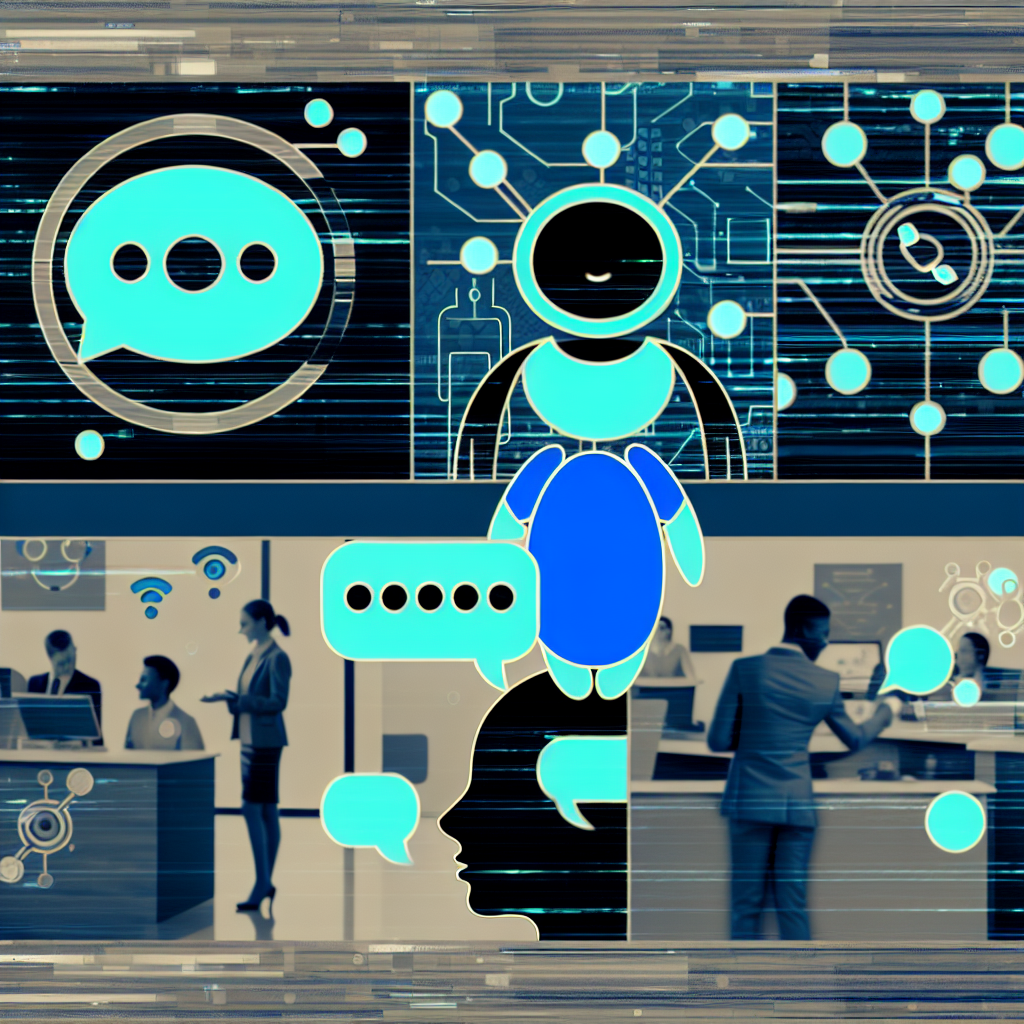
Artificial Intelligence (AI) continues to reshape our world at an unprecedented pace. From enhancing productivity to revolutionizing industries, AI technologies are no longer just a futuristic concept but a present-day reality. In this detailed exploration, we will delve into the latest AI trends, tools, and applications that are making waves in 2023, along with their ethical implications and future prospects.
The Rise of Generative AI: Tools and Applications
What is Generative AI?
Generative AI refers to algorithms that can generate new content, whether text, images, audio, or video, based on the input data they have been trained on. This technology has gained significant traction in recent years, with a multitude of tools emerging to support creative industries and beyond.
Notable Generative AI Tools
-
ChatGPT by OpenAI
- Overview: A state-of-the-art language model capable of understanding and generating human-like text.
- Applications: Ideal for content creation, customer service, and even coding assistance.
- Link: OpenAI ChatGPT
-
DALL-E 2 by OpenAI
- Overview: An image generation tool that can create original images from textual descriptions.
- Applications: Used in marketing, advertising, and art creation.
- Link: OpenAI DALL-E 2
-
Midjourney
- Overview: A platform specializing in AI-generated art with an emphasis on artistic styles.
- Applications: Creative industries use it for concept art, branding, and unique visual content.
- Link: Midjourney
-
Runway
- Overview: A creative suite that offers tools for video editing and visual effects powered by AI.
- Applications: Used in film production, social media content generation, and more.
- Link: Runway
Impact of Generative AI
The advent of generative AI tools offers a double-edged sword. On one hand, they empower artists and marketers to create high-quality content rapidly. On the other hand, they raise questions about originality, copyright, and the potential for misuse in creating misleading or harmful content.
Breakthroughs in Machine Learning and Deep Learning
Enhanced Algorithms and Frameworks
In 2023, advancements in machine learning (ML) and deep learning (DL) frameworks have significantly improved the performance and accessibility of AI applications. Notable frameworks include:
| Framework | Description | Popular Use Cases |
|---|---|---|
| TensorFlow | Open-source ML library by Google, widely used for DL. | Image recognition, natural language processing. |
| PyTorch | Developed by Facebook, known for its flexibility. | Research, computer vision, and NLP tasks. |
| Hugging Face Transformers | Focused on NLP, provides pre-trained models. | Chatbots, summarization, translation. |
New Learning Paradigms
Innovative approaches such as transfer learning, few-shot learning, and reinforcement learning are gaining traction. These paradigms allow models to learn from fewer examples, making AI development more efficient and accessible.
Applications in Various Sectors
- Healthcare: AI is being used for predictive analytics, diagnostics, and personalized medicine. Companies like Tempus and Zebra Medical Vision leverage ML to analyze patient data and improve outcomes.
- Finance: AI algorithms assist in fraud detection, risk assessment, and algorithmic trading. Firms like ZestAI and Upstart use machine learning to provide credit scores based on non-traditional data.
AI in Business: Startups and Applications
Emerging AI Startups
The AI startup landscape is vibrant, characterized by innovative solutions tailored to specific industry needs. Here are a few noteworthy startups making an impact:
-
DataRobot
- Focus: Automated machine learning platform for businesses.
- Impact: Helps organizations build and deploy models without extensive data science expertise.
- Link: DataRobot
-
C3.ai
- Focus: Enterprise AI solutions for various industries.
- Impact: Provides tools for predictive maintenance, supply chain optimization, and customer engagement.
- Link: C3.ai
-
Snyk
- Focus: AI-driven security solutions for software.
- Impact: Identifies vulnerabilities in open-source code libraries and offers remediation.
- Link: Snyk
AI for Productivity and Marketing
Businesses are increasingly harnessing AI to streamline operations and enhance marketing efforts:
- Automation Tools: AI-driven tools like Zapier and Automate.io enable businesses to automate repetitive tasks, thus improving productivity.
- Personalized Marketing: AI algorithms analyze customer behavior to deliver personalized experiences, as seen in platforms like HubSpot and Salesforce Einstein.
Ethical Considerations of AI
The Ethical Dilemma
As AI technologies proliferate, ethical concerns gain prominence. Key issues include:
- Bias in AI: Algorithms trained on biased data can perpetuate stereotypes and lead to unfair treatment in hiring or lending.
- Job Displacement: Automation threatens to displace workers in various sectors, necessitating a conversation about re-skilling and the future of work.
- Privacy: The collection and analysis of personal data raise questions about consent and data ownership.
Regulatory Landscape
Legislation is evolving to address these ethical concerns. The European Union’s AI Act aims to create a regulatory framework for AI, focusing on accountability, transparency, and human oversight. In the U.S., discussions around AI regulations are gaining traction, with various states proposing bills to regulate the use of AI technologies.
AI in Education and Healthcare
Transforming Learning
AI is revolutionizing education through adaptive learning platforms that tailor curricula to individual student needs. Companies like Knewton and DreamBox Learning leverage AI to provide personalized learning experiences that enhance student engagement and achievement.
Advancements in Healthcare
In healthcare, AI plays a pivotal role in diagnostics, treatment planning, and patient management. Tools like IBM Watson Health and Google’s DeepMind are at the forefront of developing AI solutions that assist healthcare professionals in making informed decisions.
Future Trends in AI
The Road Ahead
As we move further into the AI age, several trends are anticipated to shape the landscape:
- Integration of AI and IoT: The convergence of AI and the Internet of Things (IoT) will lead to smarter homes, cities, and industries.
- Human-AI Collaboration: Rather than replacement, AI will increasingly augment human capabilities, allowing professionals to focus on higher-value tasks.
- Explainable AI (XAI): As AI systems become more complex, the demand for transparency in decision-making processes will rise, leading to advancements in XAI.
Conclusion
The AI landscape in 2023 is marked by innovation, ethical considerations, and transformative applications across industries. As generative AI tools flourish and machine learning frameworks evolve, the potential for AI to enhance productivity and drive business growth is immense. However, with great power comes great responsibility — addressing ethical concerns and ensuring equitable access to AI technologies will be paramount as we navigate the future.
For tech-savvy readers and business professionals, staying informed about these trends and tools is vital to harnessing the full potential of AI while navigating its challenges. The journey of AI is just beginning, and its impact on our lives will only deepen in the years to come.